
Paul Resnick

Paul Resnick

Michael D. Cohen Collegiate Professor

University of Michigan School of Information

My research is in social computing and computational social science. I was a pioneer in recommender systems and have published widely on reputation systems, online communities, and social approaches to content moderation.

I am an ACM Fellow and a member of the CHI Academy.

My collegiate professorship is named in honor of a great mentor, Michael D. Cohen. Michael was a scholar of organizations and a beloved colleague. I still miss you, Michael.

Current Focus

Open Inquiry 1
Open Inquiry 2
Open Inquiry 3
Open Inquiry 4

Open Inquiry

I lead the Talking Maize & Blue initiative at the University of Michigan. Our goal is to foster a culture of open inquiry on campus, by which we mean that people pursue ideas with curiosity, even if they are controversial or flawed.

We developed an online module that all incoming undergraduates were required to complete, starting in Fall 2025. The innovative element I’m most proud of is a quiz game where students predict how many of their peers agree with them.

On campus, we have promoted a set of activities and events, under the auspices of the Michigan’s theme year of Life Changing Education.
Try the module yourself!

AI and Education

Pedagogy: Generative AI can be a great tool for learning, and also for avoiding learning. How can educators push students toward the former and away from the latter?

Curriculum: We may also need to rethink the learning objectives in many fields. In computing, I think that computational abstractions will still be important to learn, but being able to read or write formal languages may soon be unnecessary as a pathway to learning those abstractions.

Research Highlights

"We make it safe, fun, and profitable to interact with strangers."

In 1995, I started a research group at AT&T under that motto. I moved to Michigan in 1997, but it is a pretty good descriptor of the aspiration animating my entire career.

1992-1994

GroupLens

GroupLens was the first academic paper on what are now called recommender systems. This work (and that of other parallel efforts in the same era) laid the foundation for modern personalized recommendation algorithms.

In 2013, John Riedl and I had the opportunity, to re-present the paper at the CSCW conference, using our original slides and script, which made for some funny anachronisms.

Key Publications:

1997-2004

Saguaro Seminar and SocioTechnical Capital

From 1997-2000, I had the great fortune to participate in RobertPutnam’s Saguaro Seminar, whose mission was to reverse the trend of decling social capital in the U.S. documented in Bowling Alone (2000).

I was the technology representative. I guess I was supposed to invent Facebook. (I didn’t).

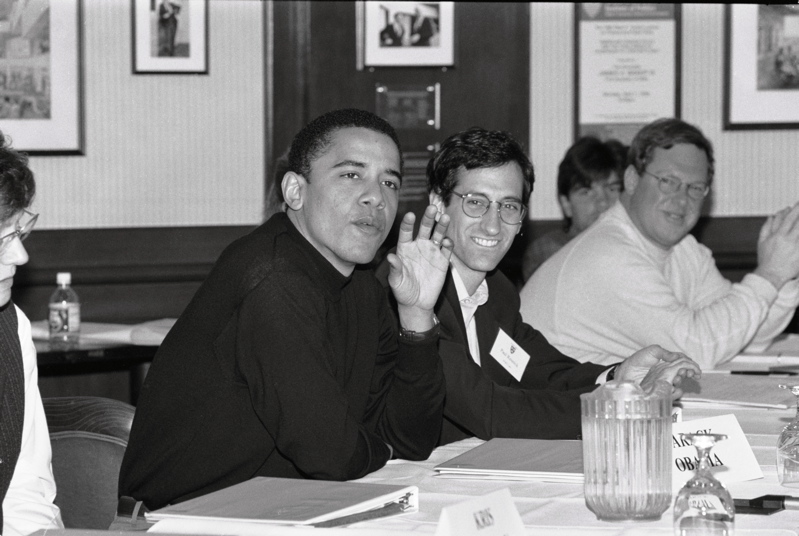
But I got to meet a lot of interesting people. I wish I had stayed in touch with more of them, including Barack Obama, who was an Illinois State Senator at the time of the Saguaro Seminar.

Key Publications:

1999-2010

Reputation Systems

Reputation systems use the shadow of the future to discipline behavior in the present, making it possible for strangers to develop trust in online environments. My work identified the challenge of “cheap pseudonyms”—where bad actors can easily shed negative reputations by creating new identities—and analyzed real-world systems like eBay to understand how reputation systems facilitate trade.

Key Publications:

blog from this era
2005

Peer Prediction Method

The “Peer Prediction” method is a mechanism design approach to elicit effort and honest feedback from people even when the ground truth is unknown. This method has sparked a rich subfield of research in information elicitation.

This was my second project with Richard Zeckhauser, a legendary economist at Harvard’s Kennedy School who was also a great mentor to me. In fall 2025, while on sabbatical, I had the pleasure of sitting in on his class on analytics for public policy.

Key Publication:

2006-2012

CommunityLab

The CommunityLab project brought together computer scientists, psychologists, and economists to study and design online communities.

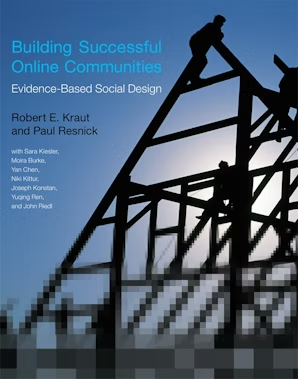
The culumination of the project was a book that Bob Kraut and I wrote, with other team members joining on some chapters. The book synthesized decades of social science research into practical design claims for creating and maintaining online groups.

Key Publication:

2010-2025

Healthier Together

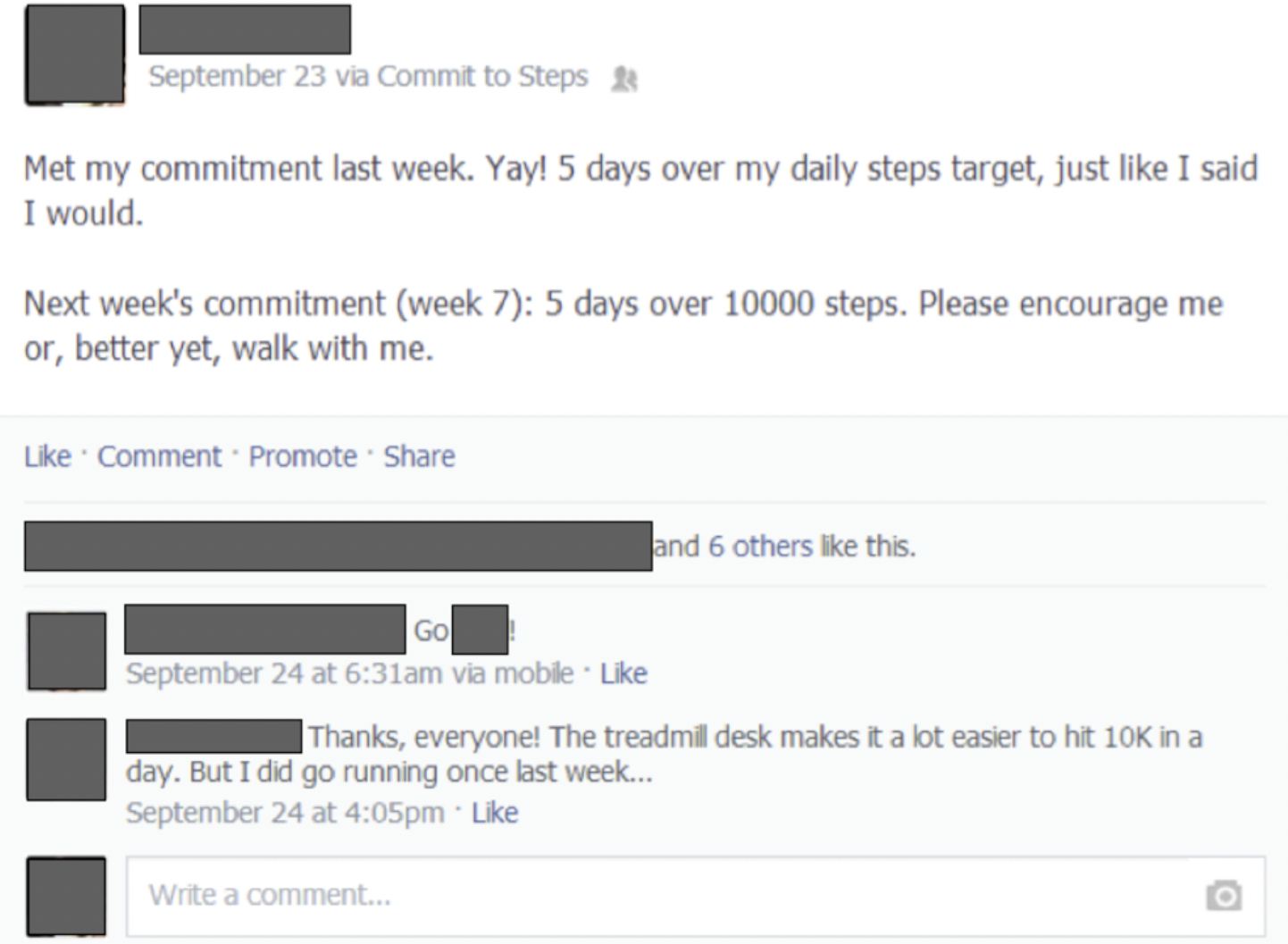
How can other people be a resource for reinforcing healthy behaviors?

Key Publications:

2011-2012 blog
2018-2025

Iffy Quotient

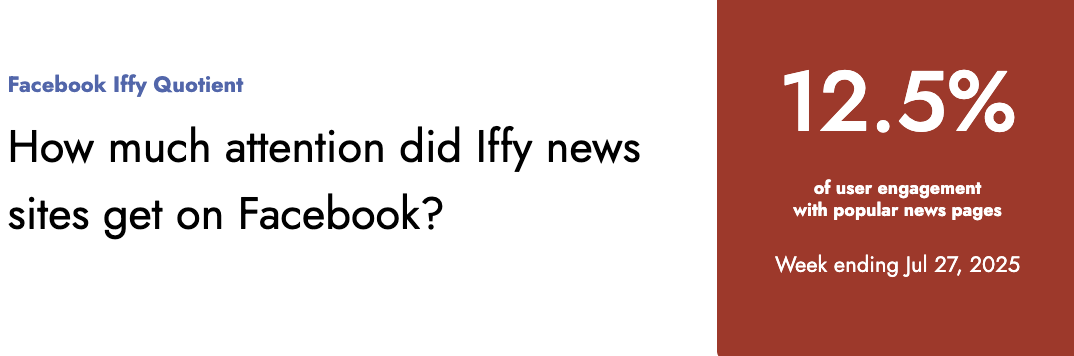
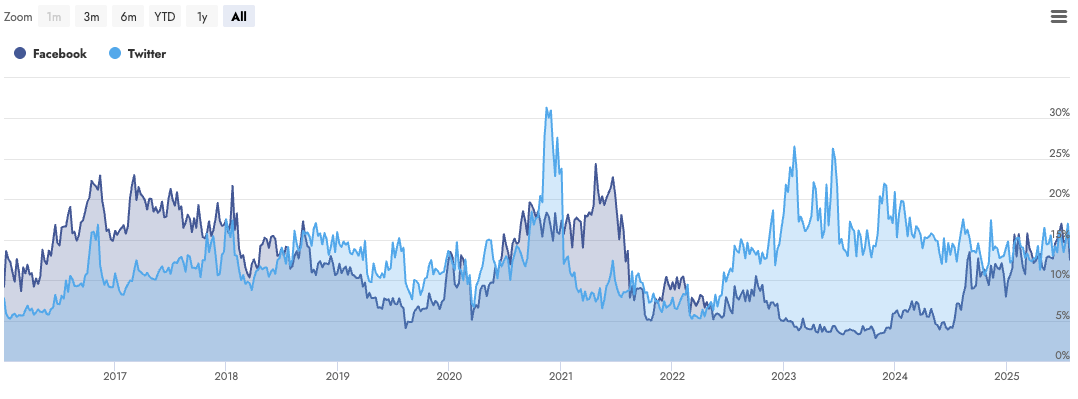
The Iffy Quotient measures how much attention “Iffy” news sites received on Facebook and Twitter (X). Data was collected from 2018-2025.

  • There are several crossings in the historical chart.
  • Twitter’s Iffy Quotient rose sharply during and immediately after Musk’s takeover of Twitter in 2022 but declined modestly from early 2024-mid 2025.
  • Facebook’s Iffy Quotient rose sharply starting in September 2024, roughly matching Twitter’s for the final year of our data collection.
Learn more
2025-

Community Notes Monitor

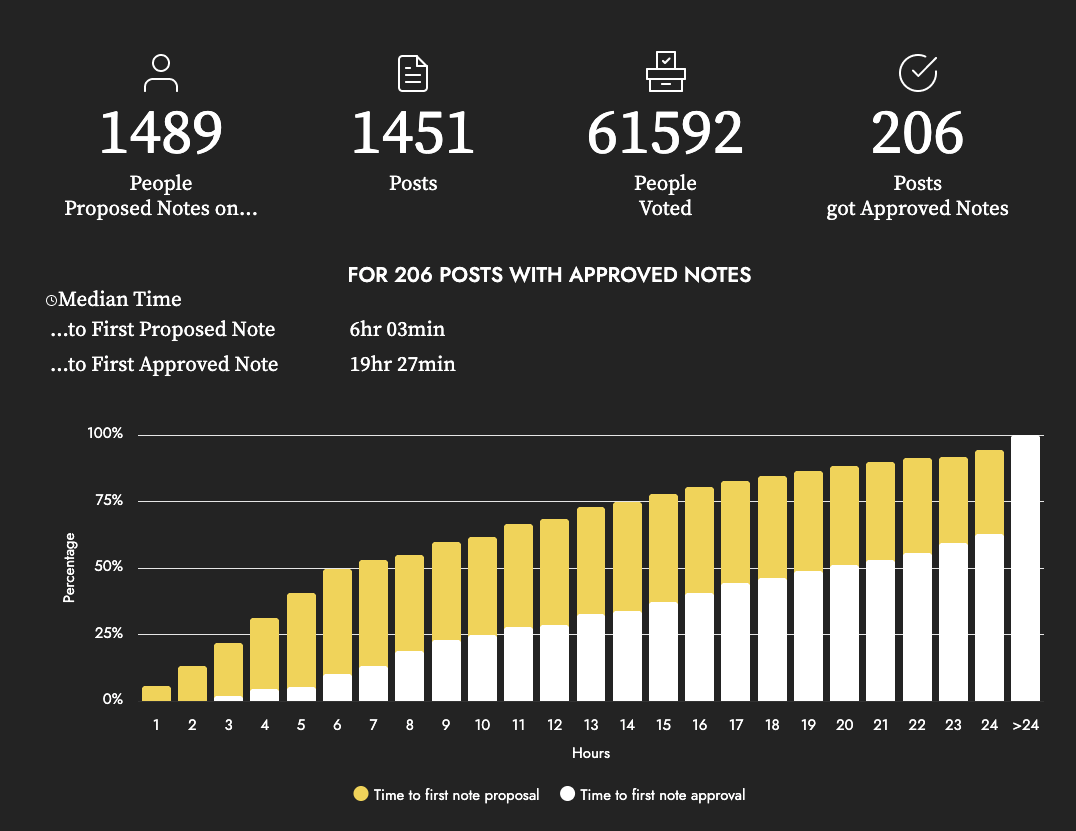
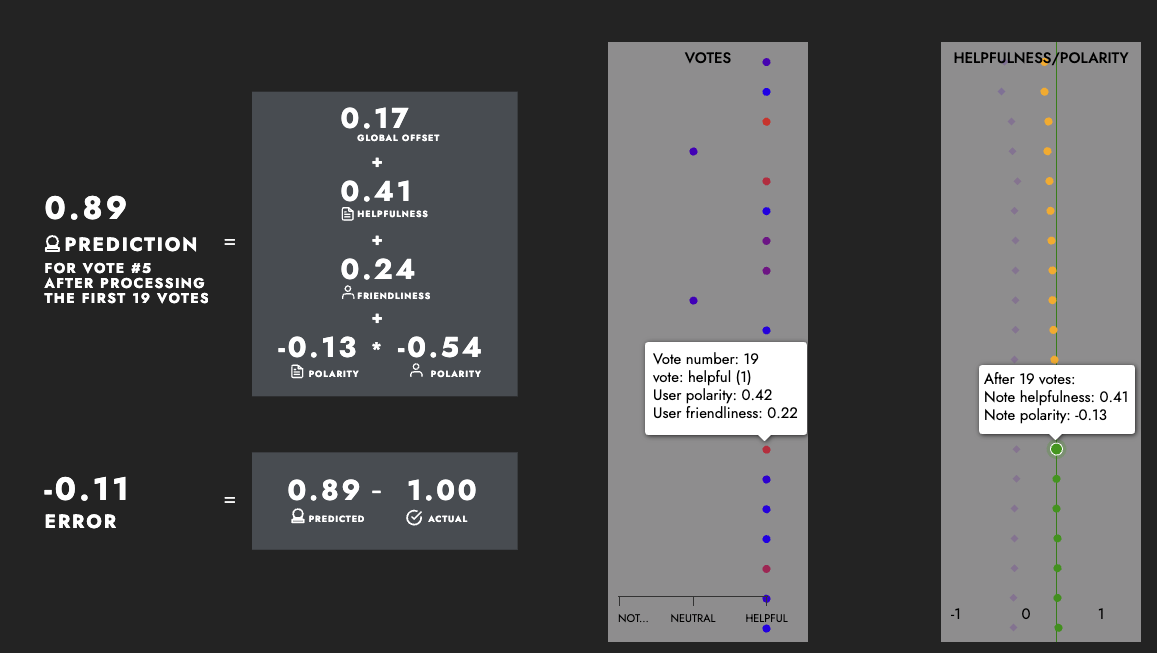
The Community Notes Monitor shows:

  • Statistics about the scale and speed of X’s Community Notes system.
  • All the proposed and approved notes for particular dates.
  • A tutorial of how the bridging vote counting algorithm works, through the votes on any note.
Learn more
2021-

H|o|T Speech

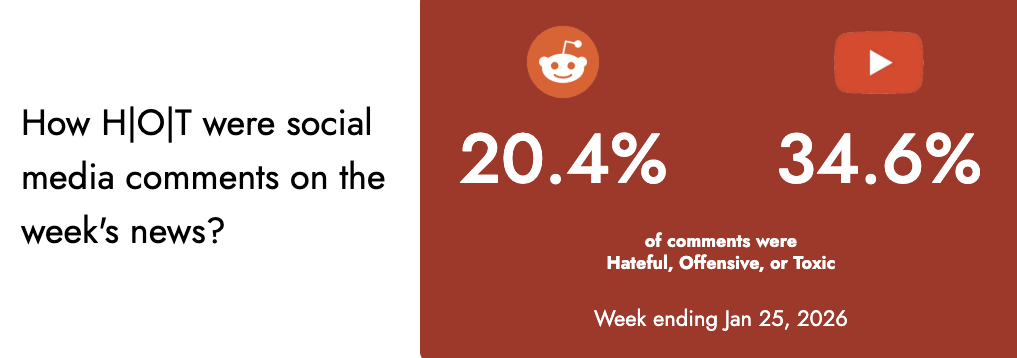
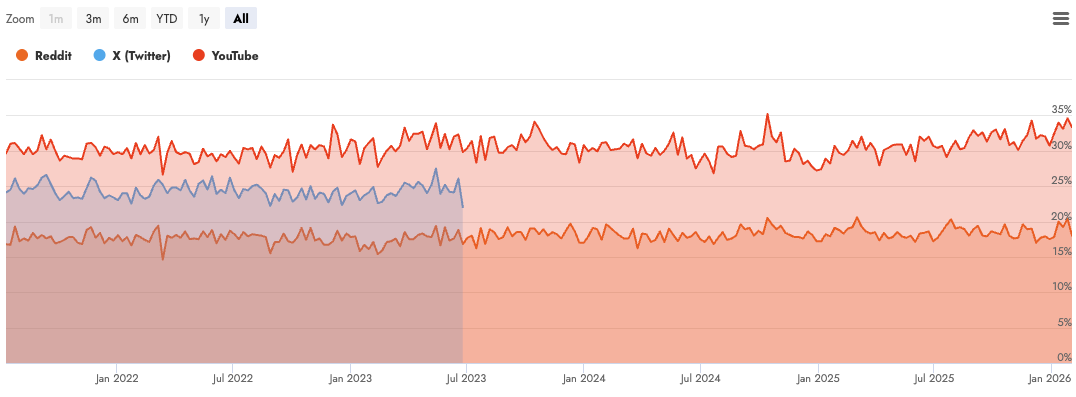
The H|o|T Speech metric provides a calibrated estimate of the percentage of comments about top news stories that people would label as Hateful, Offensive, or Toxic.

Data collection began in 2021 for Reddit and YouTube and Twitter. Twitter data collection ended in mid-2023.

Unlike the Iffy Quotient, the H|o|T speech metric has been remarkably stable over time on each platform. It was consistently highest (worst) for YouTube, and lowest for reddit, with YouTube in the middle.

Learn more
2018-2025

Rater Equivalence

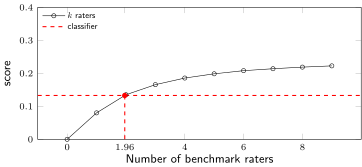
In many decision settings, the definitive ground truth is either non-existent or inaccessible. We introduce a framework for evaluating classifiers that uses human-generated labels both to construct benchmark panels and to evaluate performance (of both automated classifiers and human benchmark panels).

We quantify a classifier’s performance by its rater equivalence: the smallest number of human raters whose combined judgment matches the classifier’s performance. In the example figure, the classifier is equivalent to 1.96 human raters.

Paper:

Teaching

Online Communities 1
Online Communities 2
1999-2012

Online Communities

SI 429/529

I taught versions of this course at both the master’s and undergraduate levels for more than a decade.

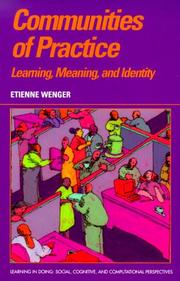
In the early years, students developed an ability to analyze online communities using the conceptual framework and vocabulary of Etienne Wenger’s Communities of Practice.

In later years, I also integrated the design claims from the CommunityLab book.

Students introduced me to many fascinating online communities through their term papers.

2014-

Runestone Interactive Textbook Platform

Runestone is an open-source platform for creating interactive textbooks. It was developed by Brad Miller. I have made two major contributions over the years:

  • An interactive textbook for introductory python programming, “Fundamentals of Python Programming” (fopp). (with Steve Oney)
  • A practice tool that gives students spaced repetition on multiple choice and coding questions from any runestone textbook. It was developed primarily by my then doctoral student, Iman Yeckehzaare. We found that it’s especially effective to assign points for each day of use rather for each question completed.

Paper:

Learn more
2025-

Vibe Coding

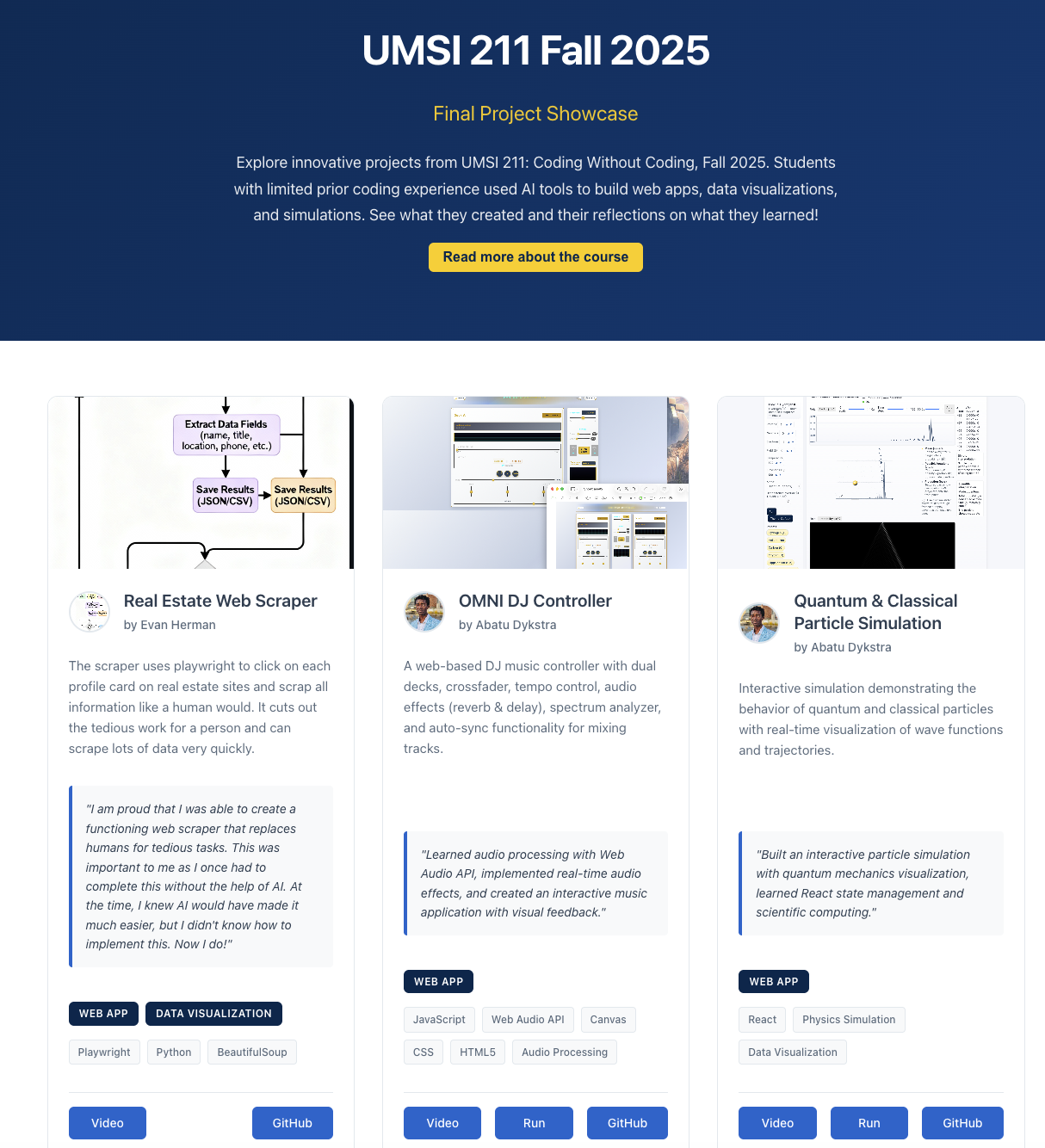
Undergraduate students with limited prior coding experience used AI tools to build web apps, data visualizations, and simulations. Students used the AI assistant for everything, and were not expected to write or even read code line by line.

The outcome that most delighted me was students’ ability to act independently. For example, they got their final projects to auto-deploy from github to public servers. Many used libraries and frameworks beyond what I introduced them to. A couple students contributed more than one final project to the showcase website!

Learn more
2019-

Python 3 Programming

The python 3 programming specialization on Coursera teaches the fundamentals of python programming. Steve Oney and I created the first four courses, and Chris Brooks created the final project course.

The general approach is “no magic”. Students learn an accurate execution model that they can use to reason about what code will do when executed. Then they can build fluency from there.

Students’ loved my “dad jokes” at the end of each short video. This was rewarding for me, because live students don’t seem to love them so much.

We’ve had more than 500,000 students to date. Once, at a wedding in India, one of the guests recognized me from the videos!

Learn more
2019

Being a Data Scientist

SIADS 501

This four-week online course introduces students in the Masters of Applied Data Science program to the field of data science.

In addition to providing a model of the four phases of a data science project, it focuses on the mindset of a data scientist. Students develop a “personal manifesto” including questions they will always ask, maxims they will recite, or ethical commitments they have for each stage of a project.

It also introduces them to data science humor. I took my signature “dad jokes” to a higher level by making them data-science themed and, as much as possible, related to the content of the preceding video.

2024-

Data Oriented Python Programming and Debugging

This python specialization serves as a bridge between introductory python programming (the python 3 specialization) and data science. It serves as the first course in the Masters of Applied Data Science program at the University of Michigan School of Information, or students can place out of it by taking it on Coursera before enrolling in the program.

It was developed with Elle O’Brien and Anthony Whyte.

Learn more

Mentorship

Postdocs

Awards & Honors

2020
ACM Fellow
2019
ACM CSCW Lasting Impact Award

for “GroupLens: An Open Architecture for Collaborative Filtering of Netnews” (1994)

2017
Inducted into CHI Academy
2016
University of Michigan Distinguished Faculty Achievement Award
2015
ACM SIGEC Test of Time Award

for “The Social Cost of Cheap Pseudonyms” (2001)

2010
ACM Software Systems Award

for GroupLens